The Foundation has a long history of investing in resources that researchers can use to plan and conduct studies on ways to improve youth outcomes. Some of these tools include a software package for conducting power analyses, a national database of school finance inequality, a rich archive of student achievement data from all 50 states, a resource site for research-practice partnerships, and an open-access repository of methods and measures for studying the use of research evidence in policy and practice.
These investments reflect our interest in equipping research teams to produce and use high-quality research that improves the lives of young people. As I’ve said in the past, “Our goal as a grantmaker is not merely to fund high-quality research studies, but to shape the environment for research and its relationship to policy and practice.”
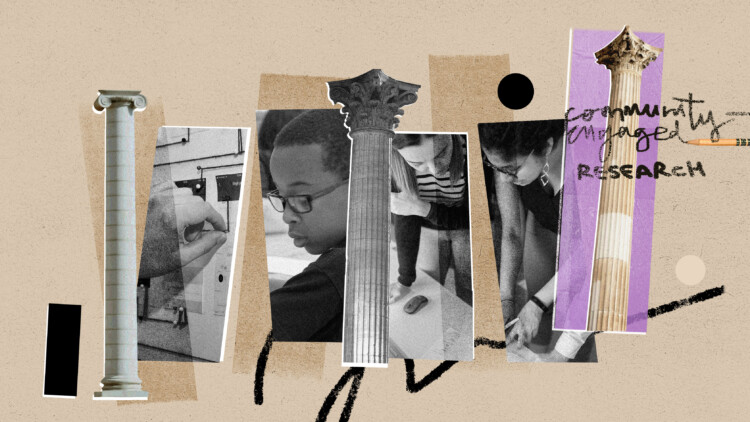
Our most recent investment supported the creation of an online toolkit from the American Sociological Association that provides university leaders with resources to help incorporate community-engaged scholarship in evaluation criteria for faculty tenure and promotion. The toolkit contains guidelines, reports, peer-reviewed articles, and case studies to inform department leaders, committee members, reviewers, and faculty. While crafted specifically for sociology departments, the toolkit can be a valuable resource for all social science departments that regard community-engaged scholarship as part of a faculty member’s research portfolio.
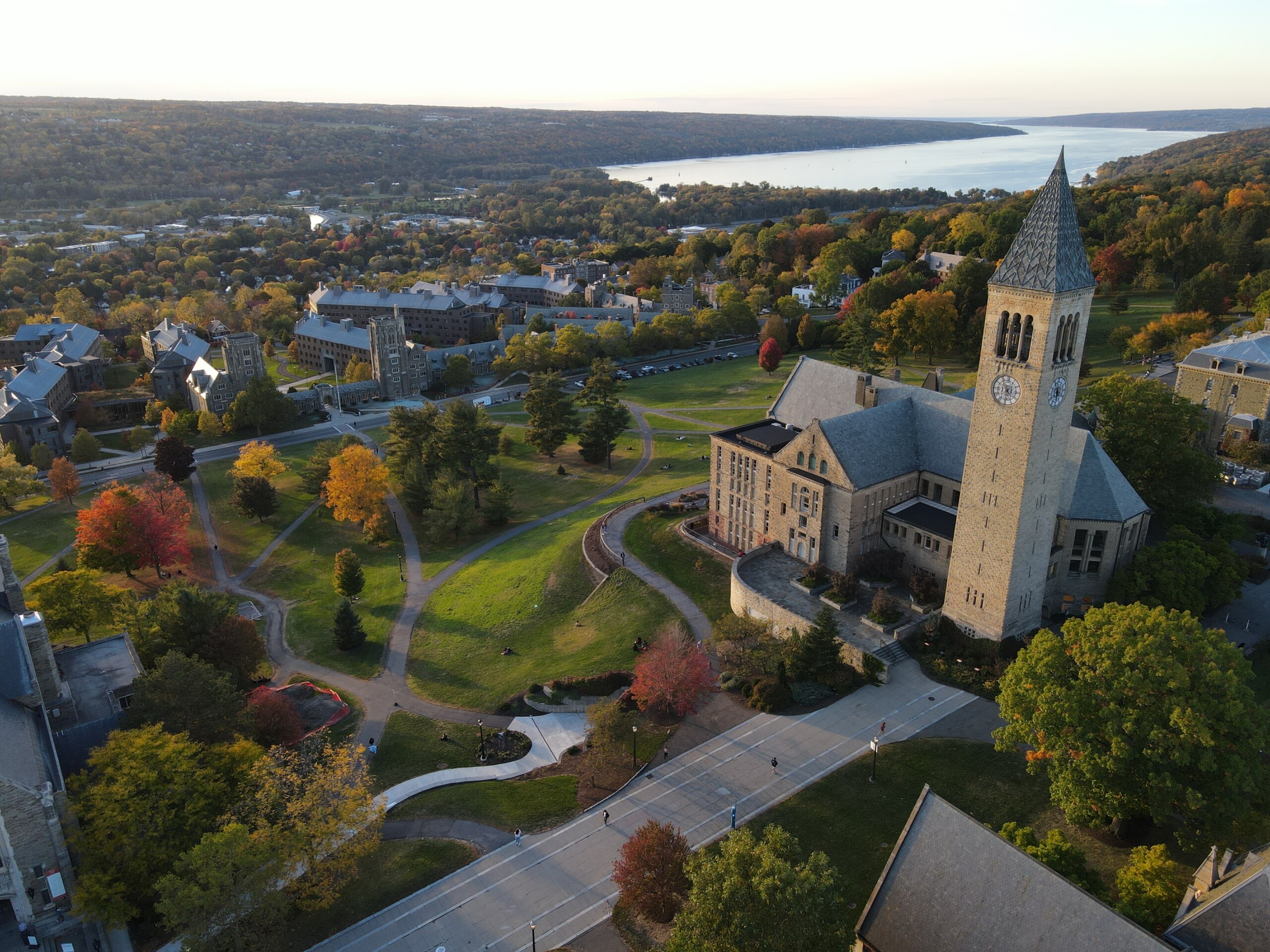
At a time when universities and scientific research are under attack, we see a critical opportunity to elevate the value of engaged scholarship, which can bridge the divide between higher education and communities for societal benefit. It is in this spirit that since 2017, together with our funding partners, we have supported 24 partnerships between universities and nonprofits and public agencies. Through the Institutional Challenge Grant program, we have pushed universities to remove barriers to community-engaged scholarship and prioritize research that builds the capacity of organizations to better serve youth in their communities.
Since we launched the Institutional Challenge Grant, we are gratified to learn that university support for community-engaged scholarship is becoming more and more widespread. This is heartening because university researchers, especially social scientists, are typically rewarded for answering questions in their disciplines, not for solving problems in the real world. While it is not easy, institutional change is possible. Last year, we supported a National Academies workshop that showcased promising ways universities across the country are cultivating engaged research, including ways institutions are addressing key tensions and aligning internal incentive systems with broader missions to serve the public good. A key element of the workshop and proceedings was a landscape scan, which we co-funded with the Pew Charitable Trusts and others, detailing efforts to support engaged research at 13 universities and 10 disciplinary organizations nationwide.
###
As researchers commit their lives to creating useful knowledge in the face of organized efforts to silence their work, we at the Foundation will continue to leverage our funding to strengthen the field, advance institutional reforms that value community-engaged scholarship, and support research to improve the lives of young people.