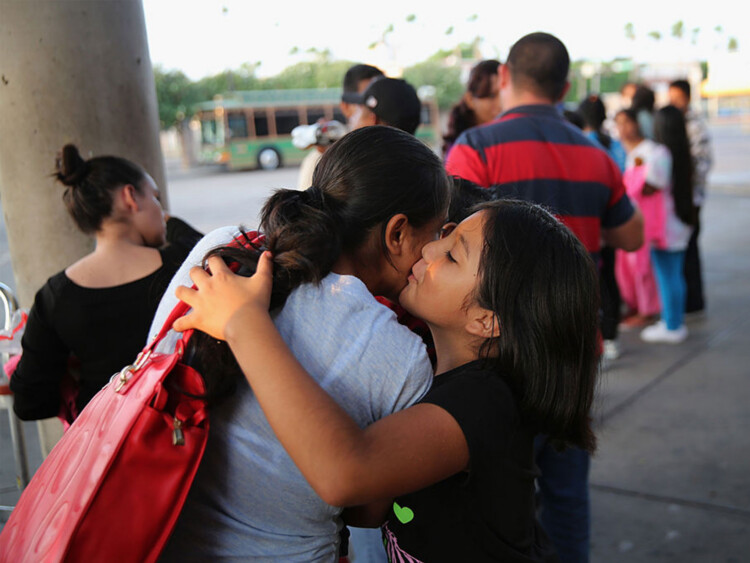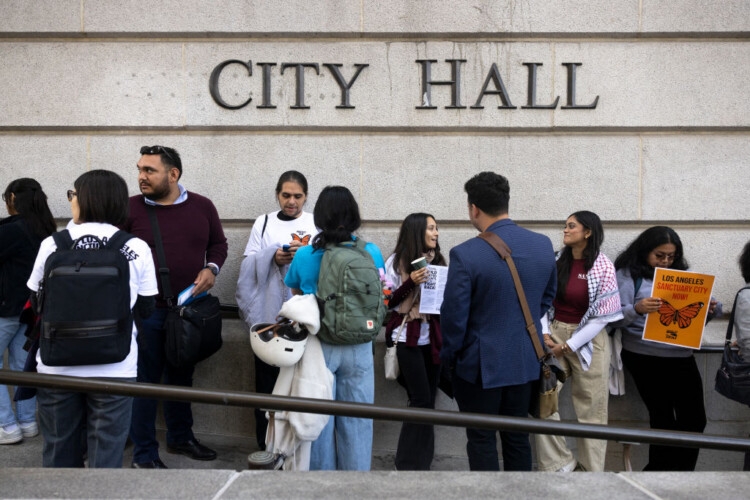
Immigrant-origin youth in the United States are being targeted in today’s hostile political climate. But supportive responses exist at multiple levels, from federal, to state, to local, to institutional. Studies that examine such strategies can illuminate those that are most promising. In May, we hosted a webinar exploring directions for research on programs, policies, and practices to reduce inequality for immigrant-origin youth in the U.S. We were joined by Cecilia Menjívar (UCLA) and Catalina Amuedo-Dorantes (UC Merced), who drew on their recent essays for the Foundation to what we know and where research might focus next.
Here are four takeaways to consider as you prepare your application for the next cycle of research grants on reducing inequality:
- Legal status shapes nearly every aspect of young people’s lives. One in four children in the U.S. has at least one immigrant parent, and an estimated 5.6 million U.S. citizen children live with at least one undocumented household member. As Cecilia Menjívar described, legal status affects access to education and employment, financial stability, mental health, and sense of security and belonging—and today’s multi-layered enforcement landscape has intensified those effects across all immigrant groups, not just Latinx youth and families. Future research can examine responses that seek to reduce inequality in these and other outcomes.
- Supports provided by civil society organizations represent a promising avenue for future research. Building on insights from her essay, Cecilia outlined the many ways civil society organizations help immigrant-origin youth navigate a hostile policy environment, including providing legal assistance, educational support, mental health services, advocacy, and safe spaces for belonging. She emphasized that these organizations don’t just protect from harm, but they also foster young people’s agency and civic engagement. Research on which organizational strategies are most effective is still nascent.
- Research has shown that local school policies can mitigate the harms of heightened immigration enforcement. Catalina Amuedo-Dorantes shared findings on safe-zone school policies, which restrict immigration enforcement on school grounds, limit information sharing with immigration authorities, and signal that schools are welcoming spaces. Catalina’s study with José Bucheli, described in their recent essay, found that these policies are associated with improved academic outcomes, fewer conflicts, and a more positive school climate for Latinx students, English learners, and lower-income youth.
- The Foundation is calling for research on ways to reduce inequality in youth outcomes on the basis of immigrant origins. The William T. Grant Foundation funds studies that examine programs, policies, or practices that reduce inequality in academic, social, behavioral, or economic outcomes for young people ages 5–25 in the U.S. Major research grants range from $100,000 to $600,000 over two to three years; Officers’ research grants offer awards up to $50,000 over one to two years. The application process begins with a letter of inquiry, with deadlines in January and July. Studies focused primarily on documenting the causes and consequences of inequality—rather than examining responses—are not eligible. Learn more about eligibility, application requirements, and review criteria.