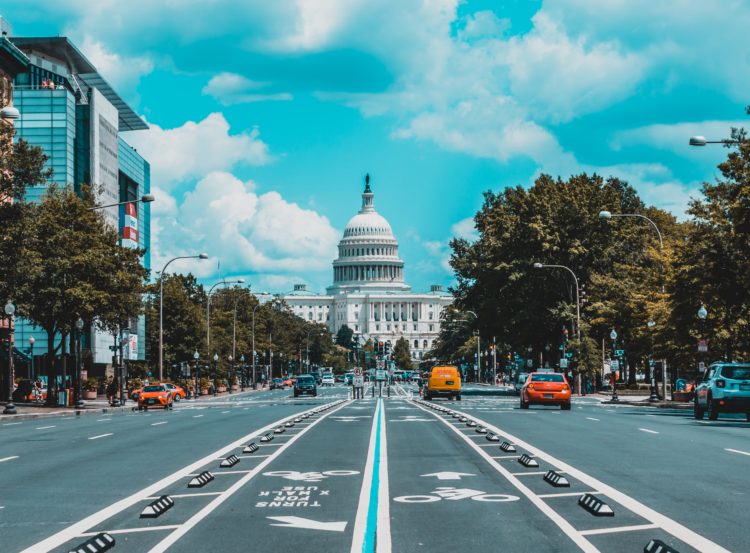
This grant supported the creation of a self-study guide to assist states in implementing the evidence-based provisions for school improvement of the Every Student Succeeds Act (ESSA)
Research can serve the public interest when it is used to inform decisions. But for researchers at all levels of the career ladder, getting your work used in ways that shape policy and practice can be a challenge.
Understanding the problem of research use is not enough. As we embark on the next phase of this initiative, we want to support studies of how to improve the use of research evidence in ways that benefit youth.
Policymakers, funders, and researchers today view research–practice partnerships (RPPs) as a promising approach for expanding the role of research in improving educational practice. Although studies in other fields provide evidence of the potential for RPPs, studies in education are ...
In this video, produced by the Children’s Bureau, Administration for Children and Families, US Department of Health and Human Services, Vivian Tseng challenges the traditional paradigm of moving from “research to practice.” She suggests that researchers and evaluators need ...
It’s important to recognize that the form of research contributes to the social sense-making process, and can create a body of shared understandings based on research principles. Research designed for use, with specific guidance for practice, can embed common ...
Despite widespread efforts by intermediaries to shape education by conveying research to policymakers, a recent study finds that very few of these policymakers report using research when making decisions. As ...
The William T. Grant Foundation invests in high-quality research focused on reducing inequality in youth outcomes and improving the use of research evidence in decisions that affect young people in the United States.